The Department of Robotics aligns its teaching and research initiatives with national strategies, targeting innovation missions within the robotics sector of future industries. The Department conducts scientific research in frontier fields, including Soft Robotics, Special Robots, and Micro/Nano Robotic Systems.
Under the leadership of Professor Xingsong Wang (Highly Cited Researcher), Professor Qianqian Wang (National-level Young Talent), and Professor Zhiyong Chang (National-level Young Talent), the Department has generated a series of research outcomes in distinctive directions such as Robot Embodiment, Novel Sensing Systems, and Autonomous Decision-making & Swarm Control. These achievements significantly bolster the innovative development of the robotics industry. In the past five years, the Department has received numerous accolades, including the Second Prize for Technical Invention from the Ministry of Education's Award for Excellent Research Achievements in Higher Education Institutions, the Second and Third Prizes for Science and Technology Progress of Jiangsu Province, and the Wu Wenjun Artificial Intelligence Science and Technology Award.
The Department of Robotics comprises 5 Professors, 13 Associate Professors, and 2 Postdoctoral Fellows, all of whom hold PhDs from prestigious universities both domestically and abroad. The faculty possesses extensive experience in robotics system education, research and development, and industry collaboration. Currently, there are over 100 doctoral and master's candidates enrolled in the Department. Over the past five years, the Department has published more than 200 papers in top-tier journals, including Science Robotics, Science Advances, Nature Communications, The International Journal of Robotics Research, and IEEE transactions (TRO, T-MECH, RAL). Additionally, the Department has secured over 100 granted invention patents and published multiple academic monographs in the field of robotics. The Department maintains long-term collaborative relationships with renowned universities, including the University of Cambridge and the University of Manchester (UK), Technical University of Darmstadt (Germany), Monash University (Australia), The Chinese University of Hong Kong, The Hong Kong Polytechnic University, and the University of Macau.
Key research achievements include:
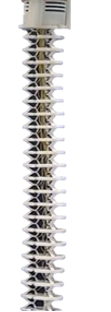
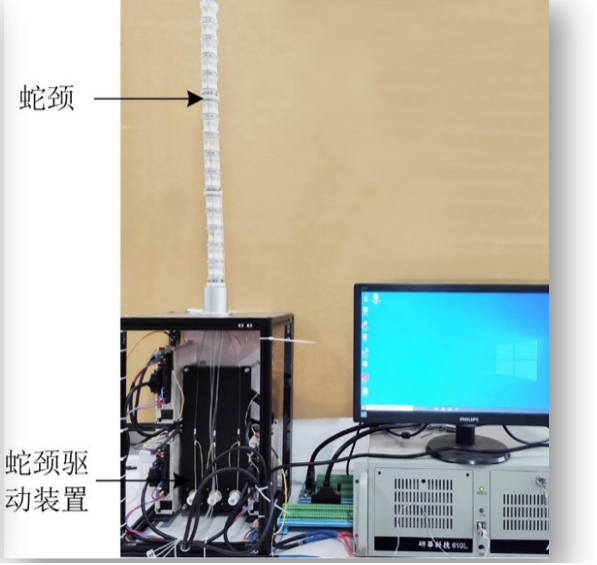
Soft Robotics: Integrating research and applications of novel flexible materials, this direction simulates biological limbs based on the study of biomimetic motion characteristics to develop versatile bionic intelligent electromechanical systems. Innovations and breakthroughs have been achieved in soft variable stiffness structures and control, as well as soft-actuated variable configuration robots. These technologies meet engineering application demands such as inspection in confined enclosed spaces and underwater exploration.
|
| ||
Slender Flexible Robot | Biomimetic Robotic Fish | ||
|
|
| |
Soft Welding Robot | Continuum Manipulator | Snake Robot | |
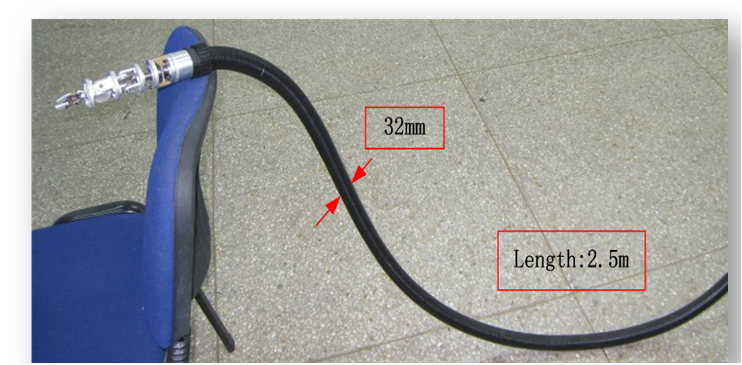
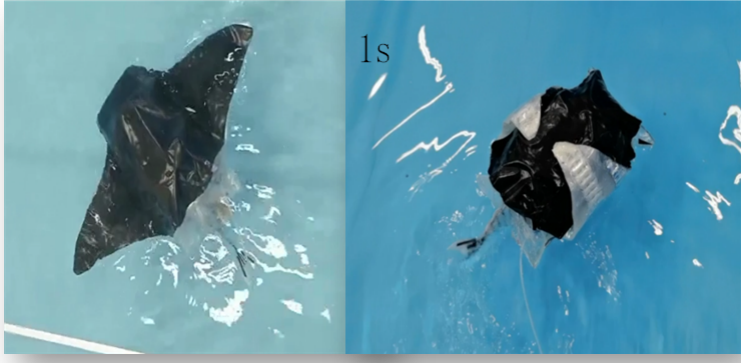
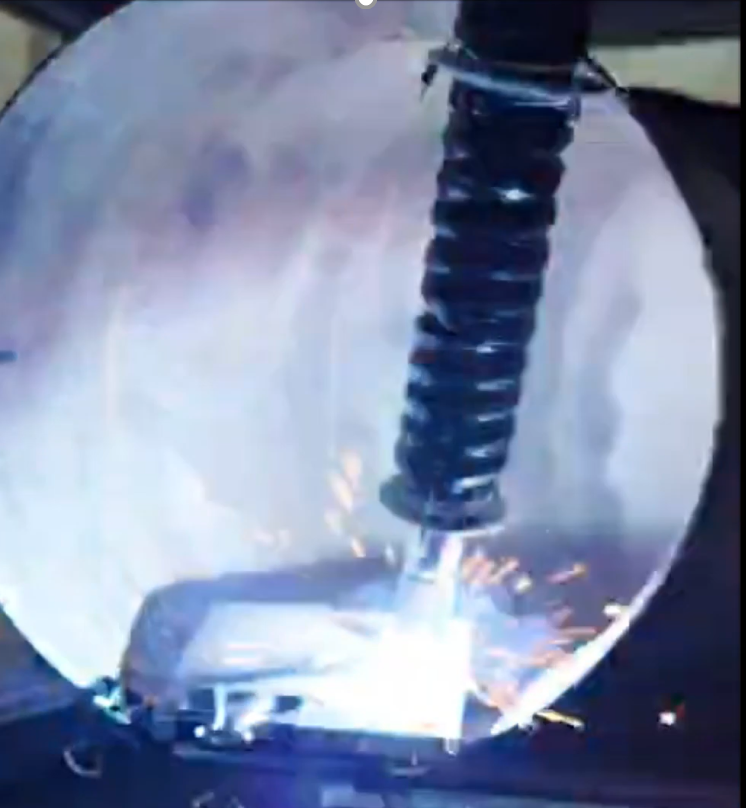
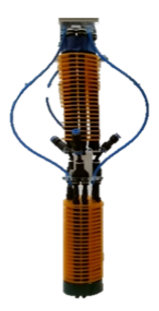
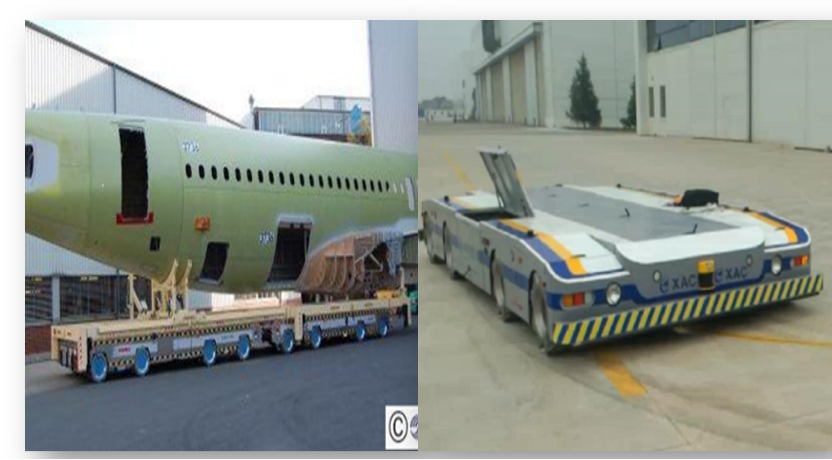
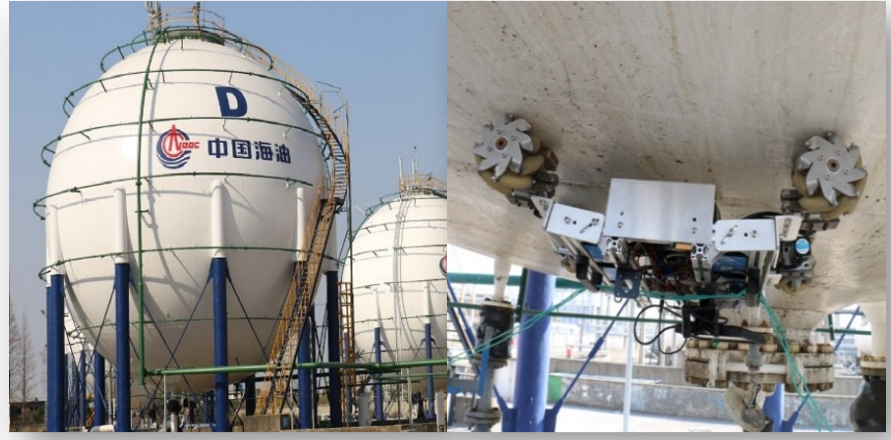
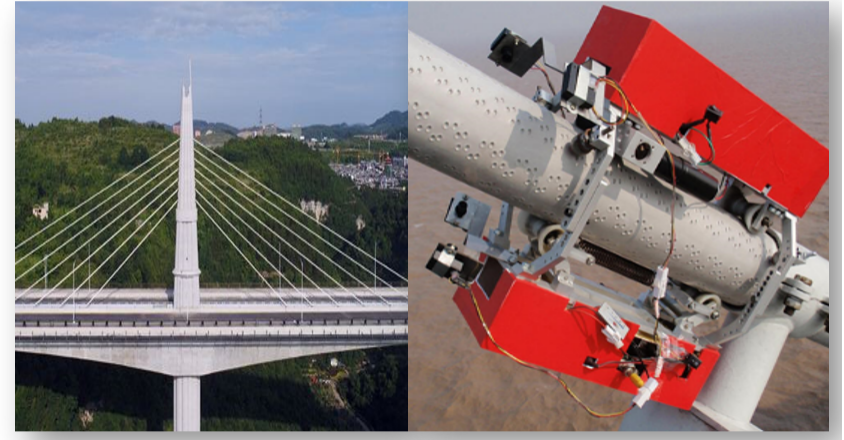
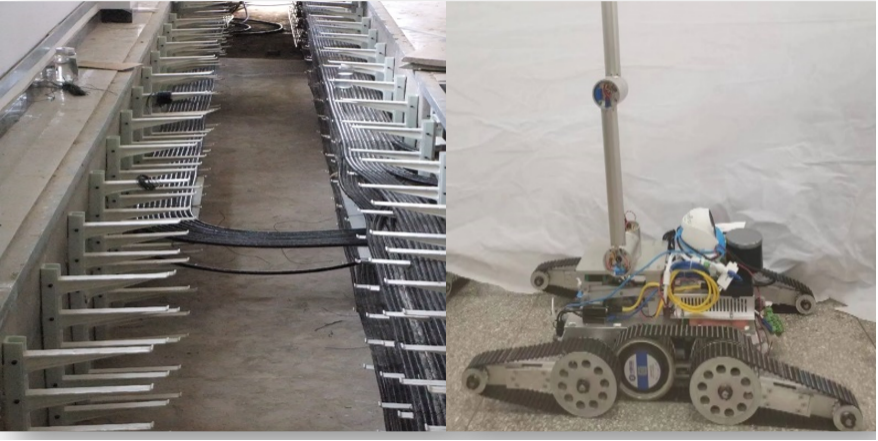
Special Robots: Focusing on non-conventional operational conditions, this direction utilizes innovative structural design and intelligent control to enable robotic applications in complex and dynamic environments. Key examples include omnidirectional mobile robots for large aircraft manufacturing, weld inspection robots for large spherical tanks, stay cable inspection robots for bridges, and crawler-type inspection robots for cable trenches.
|
|
Omnidirectional Heavy-load Mobile Robot | Spherical Tank Weld Seam Inspection Robot |
|
|
Stay Cable Inspection Robot | Cable Trench Inspection Robot |
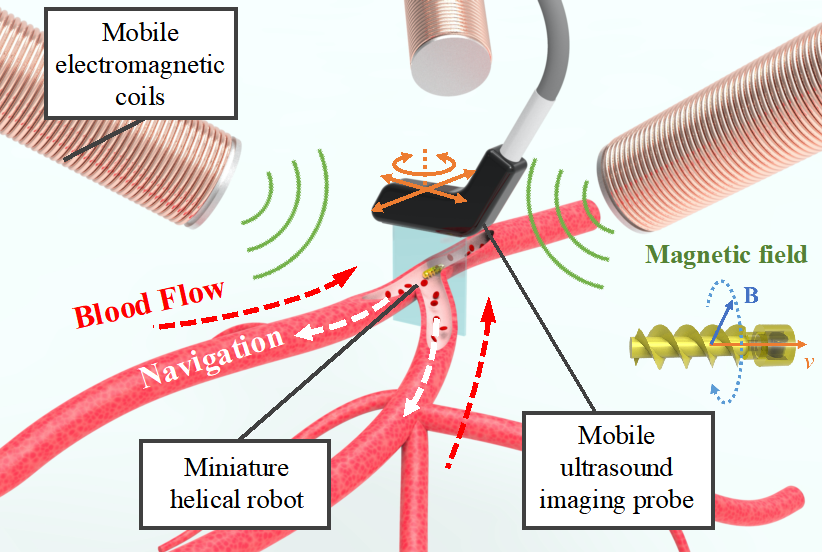
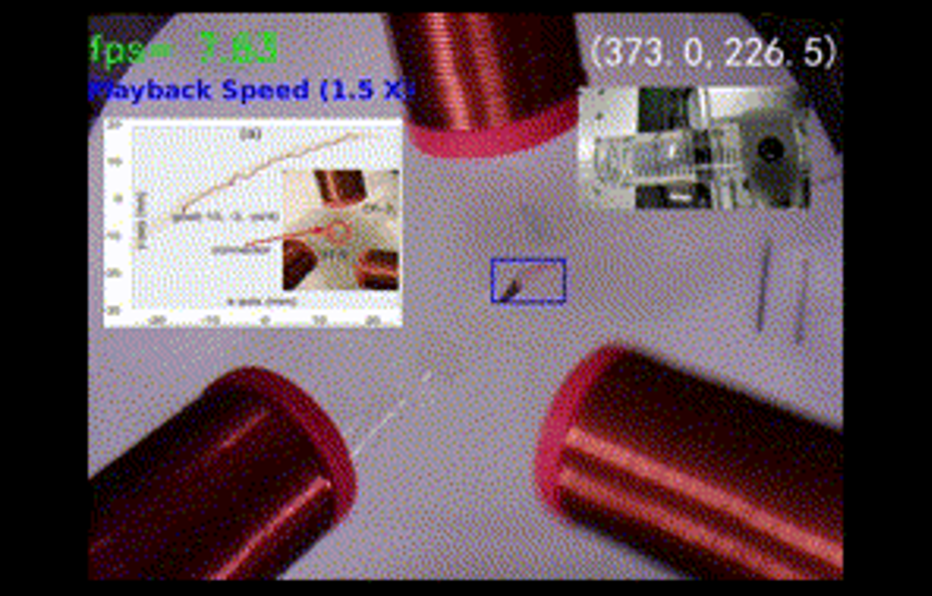
icro/Nano Robotic Systems: This direction focuses on the design, perception, and control of micro/nano-scale robotic systems driven by multiple physical fields, including acoustic, optical, thermal, electric, and magnetic fields. By leveraging artificial intelligence to empower these systems, the research aims to enhance the accuracy and efficiency of tracking and navigation at the micro/nano scale. Applications span precision medicine, soft actuation, and various other scenarios.
|
|
Real-time Tracking and Autonomous Navigation for Microrobots | Multimodal Learning Control for Microrobot Morphology and Locomotion |
|
|
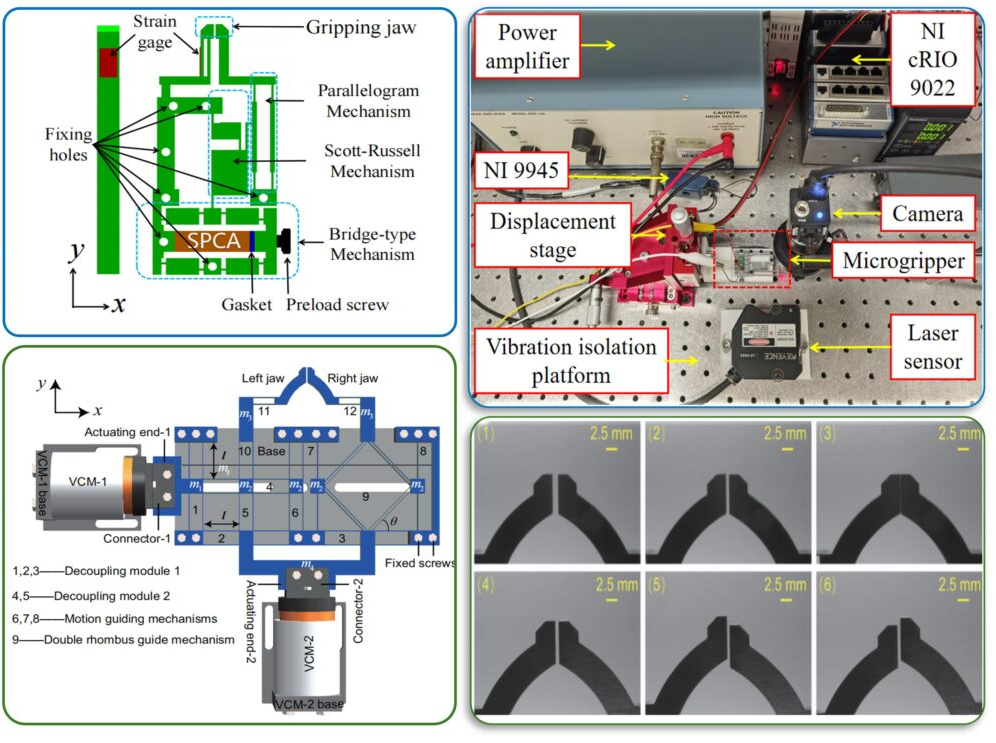
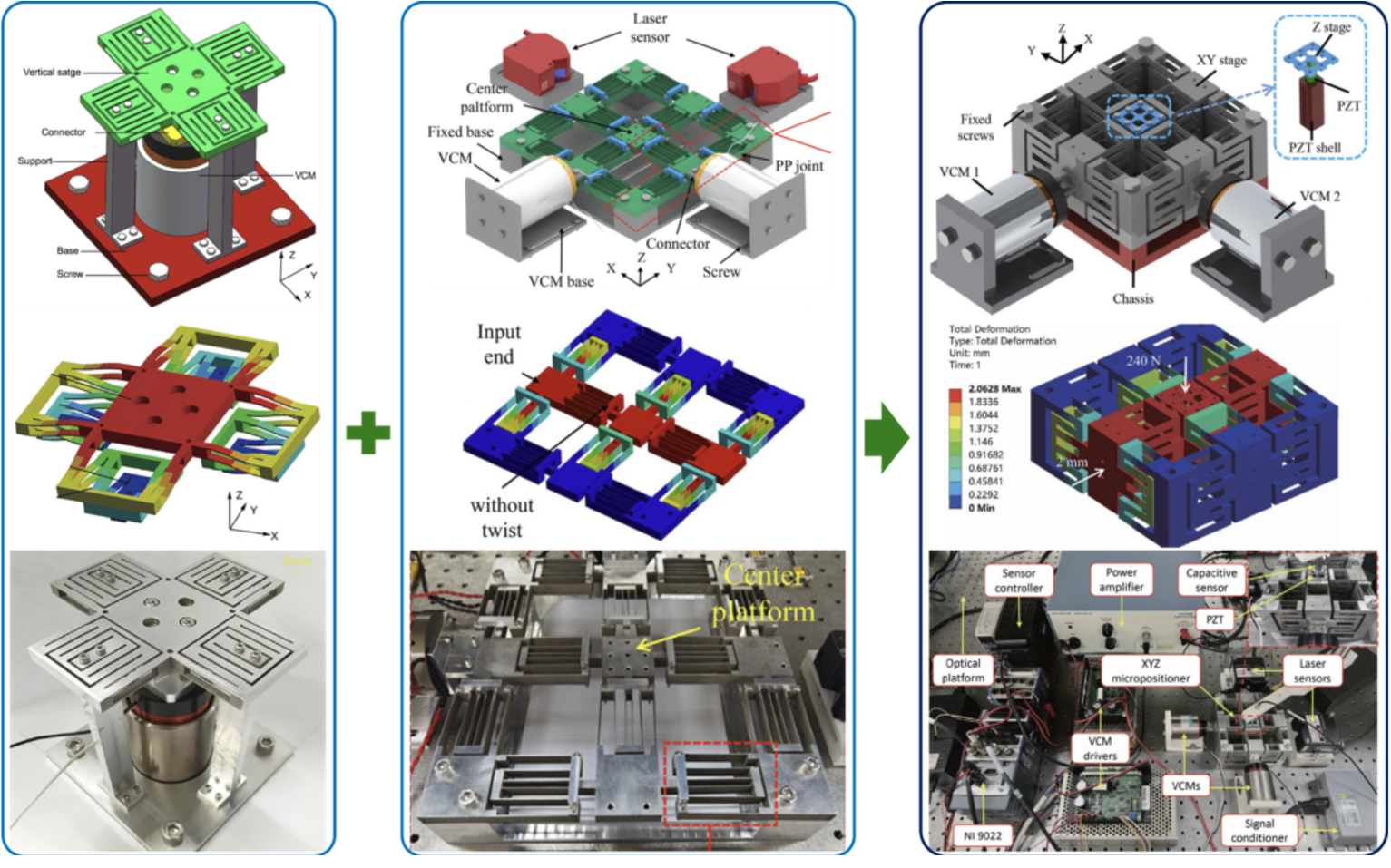
Flexible Micro-manipulator | Flexible Micro-positioner |